


General Treatments
Emergency Dentistry
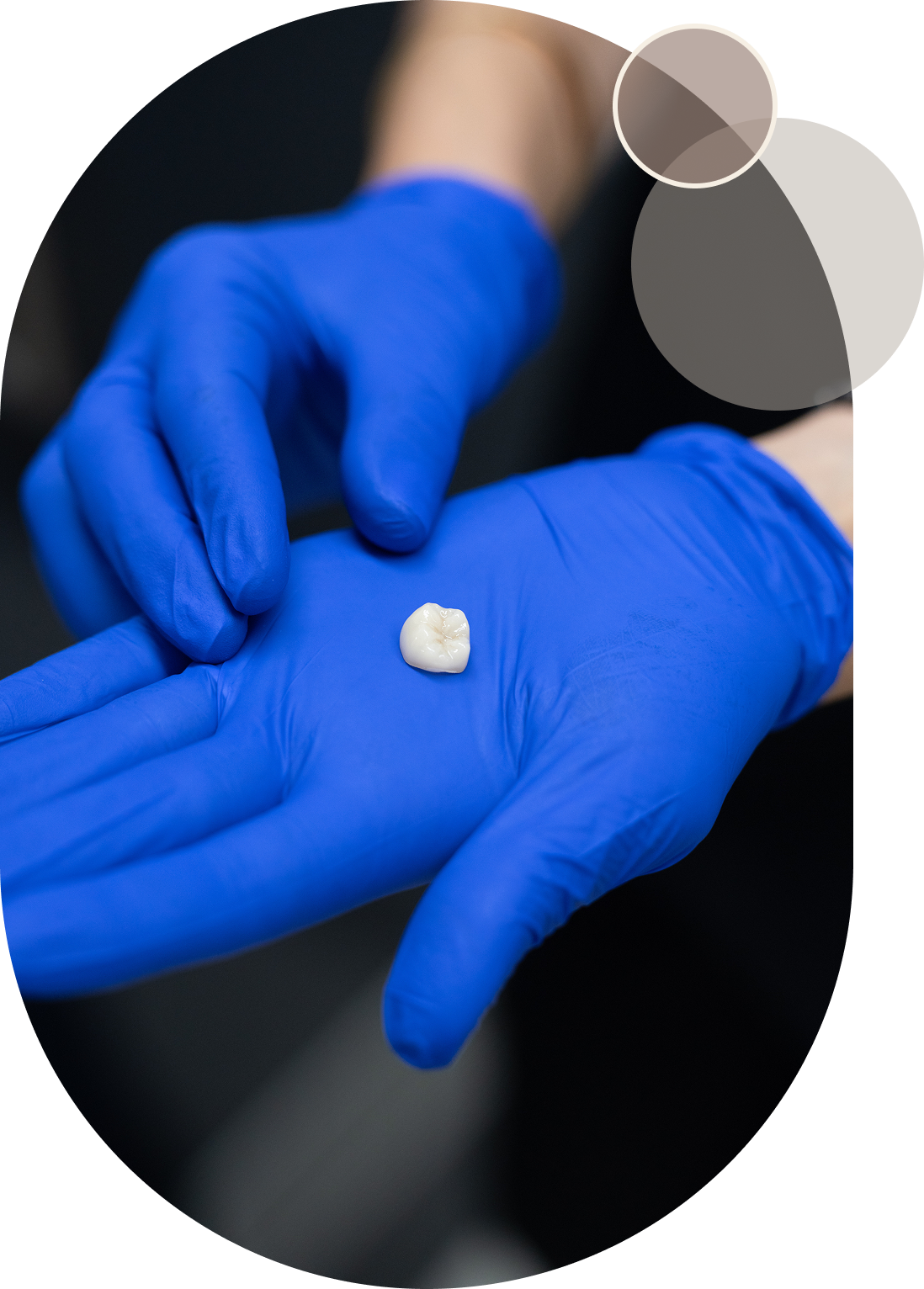
Prompt emergency dental care when you need it most
Dental emergencies rarely happen at a convenient time. Whether you’re experiencing a severe toothache, have broken a tooth, or have suffered a dental injury, getting prompt care can help relieve discomfort and reduce the risk of further complications.
At CFS Dental, we reserve appointments each day for dental emergencies whenever possible. If you’re experiencing dental pain or are unsure whether your situation requires urgent attention, contact our team as soon as possible. We’ll assess your concerns, provide guidance over the phone and arrange an appointment as quickly as possible.
At CFS Dental, we reserve appointments each day for dental emergencies whenever possible. If you’re experiencing dental pain or are unsure whether your situation requires urgent attention, contact our team as soon as possible. We’ll assess your concerns, provide guidance over the phone and arrange an appointment as quickly as possible.
What is considered a dental emergency?
A dental emergency is any problem affecting your teeth, gums, or mouth that causes significant pain, bleeding, swelling or trauma, or places your oral health at risk if left untreated.
Common dental emergencies include:
Common dental emergencies include:
- Persistent or severe toothache
- Swelling around a tooth or gums
- A broken, cracked, or chipped tooth
- A lost or damaged filling, crown, or bridge
- Damage to a denture or other dental prosthesis
- An injury to the mouth or jaw
- An object lodged between your teeth that cannot be safely removed
If you’re unsure whether your situation is an emergency, it’s always best to contact us. Our team can help you determine the most appropriate next step.
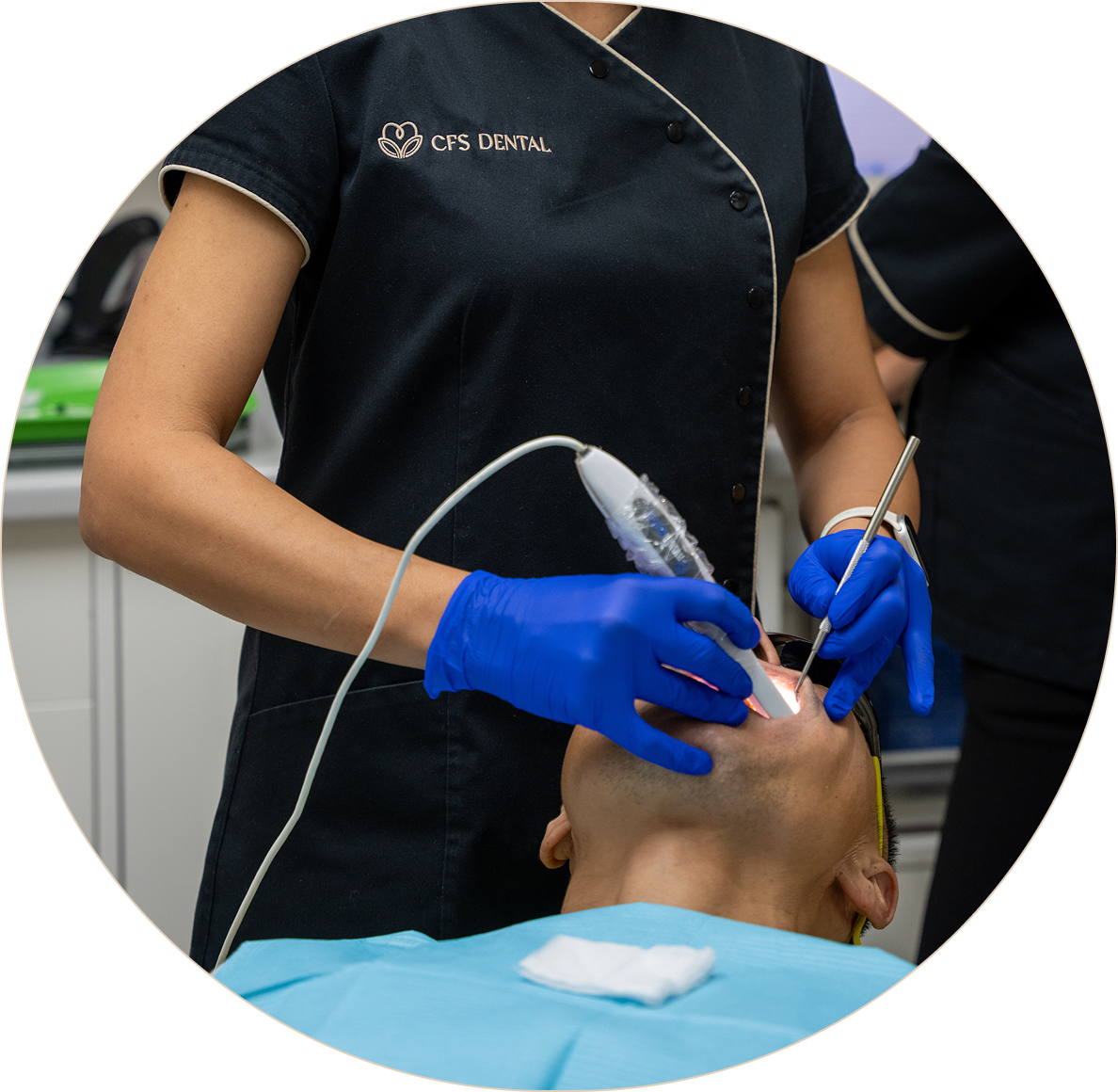

What happens during
an emergency appointment?
We understand that dental emergencies can be stressful. From the moment you arrive, our priority is to assess your condition, relieve your discomfort, and recommend the most appropriate treatment for your individual circumstances.
Assessment & Diagnosis
Treatment Discussion
Immediate Care
Ongoing Treatment
Assessment & Diagnosis
We’ll examine your teeth and mouth to identify the cause of your symptoms. Where appropriate, diagnostic X-rays may be taken to help us assess the problem accurately.
We’ll examine your teeth and mouth to identify the cause of your symptoms. Where appropriate, diagnostic X-rays may be taken to help us assess the problem accurately.
Treatment Discussion
Before proceeding, we’ll explain what we’ve found, discuss your treatment options and answer any questions you may have so you understand the recommended next steps.
Before proceeding, we’ll explain what we’ve found, discuss your treatment options and answer any questions you may have so you understand the recommended next steps.
Immediate Care
Depending on your emergency, treatment may involve relieving pain, managing an infection, repairing a damaged tooth or restoration, or treating dental trauma to help protect your oral health.
Depending on your emergency, treatment may involve relieving pain, managing an infection, repairing a damaged tooth or restoration, or treating dental trauma to help protect your oral health.
Ongoing Treatment
Some dental emergencies can be resolved during your first visit, while others may require additional appointments. If further treatment is needed, we’ll explain each stage of your care so you know what to expect moving forward.
Some dental emergencies can be resolved during your first visit, while others may require additional appointments. If further treatment is needed, we’ll explain each stage of your care so you know what to expect moving forward.
Treating dental infections
One of the most common dental emergencies is an infected tooth. Symptoms may include persistent pain, swelling, sensitivity, gum tenderness, or changes in tooth colour.
Depending on your diagnosis, root canal therapy may be recommended to remove the infection and preserve the natural tooth where appropriate. If a tooth cannot be restored, we’ll discuss suitable replacement options based on your individual needs.
Depending on your diagnosis, root canal therapy may be recommended to remove the infection and preserve the natural tooth where appropriate. If a tooth cannot be restored, we’ll discuss suitable replacement options based on your individual needs.
If a tooth cannot be saved
While preserving your natural teeth is always the preferred approach, this isn’t always possible.
If a tooth needs to be removed, we’ll explain your replacement options, which may include:
If a tooth needs to be removed, we’ll explain your replacement options, which may include:

Dental implants

Fixed dental bridges

Implant-supported bridges or dentures
Any recommendation will be based on a comprehensive examination, your oral health, and your individual circumstances.
What should you do before your appointment?
If you’re waiting to see the dentist:
- Contact our practice as soon as possible.
- Follow any advice our team provides when you call.
- If a permanent tooth has been knocked out, handle it only by the crown, avoid touching the root and place it in milk or saliva while travelling to your appointment.
- If medically appropriate for you, over-the-counter pain relief may help manage discomfort until you’re seen.
- Apply a cold pack to the outside of your face if swelling is present.
Prompt assessment gives the best opportunity to manage many dental emergencies effectively.
Preventing future dental emergencies
While accidents cannot always be prevented, regular dental examinations can help identify potential problems before they become emergencies.
Routine check-ups allow us to monitor your oral health, identify developing concerns, and recommend treatment where appropriate. Wearing a custom mouthguard during contact sports and following good oral hygiene habits can also help reduce the risk of dental injuries and disease.
Routine check-ups allow us to monitor your oral health, identify developing concerns, and recommend treatment where appropriate. Wearing a custom mouthguard during contact sports and following good oral hygiene habits can also help reduce the risk of dental injuries and disease.
Your questions, answered.
Can’t find what you’re after?
We’re always happy to talk it through.
How quickly should I see a dentist for a dental emergency?
If you’re experiencing severe pain, swelling, dental trauma, or have lost a tooth, contact us as soon as possible. Our team reserves appointments for dental emergencies whenever possible and will advise you on the next steps.
Can a toothache be a dental emergency?
What should I do if my tooth is knocked out?
Will my emergency be treated in one appointment?

Need an emergency dentist
in Oatley?
If you’re experiencing a dental emergency or are unsure whether you need urgent dental care, contact CFS Dental today. Our team will assess your situation, provide guidance and arrange an appointment as quickly as possible.