



General Treatments
Root Canal Therapy
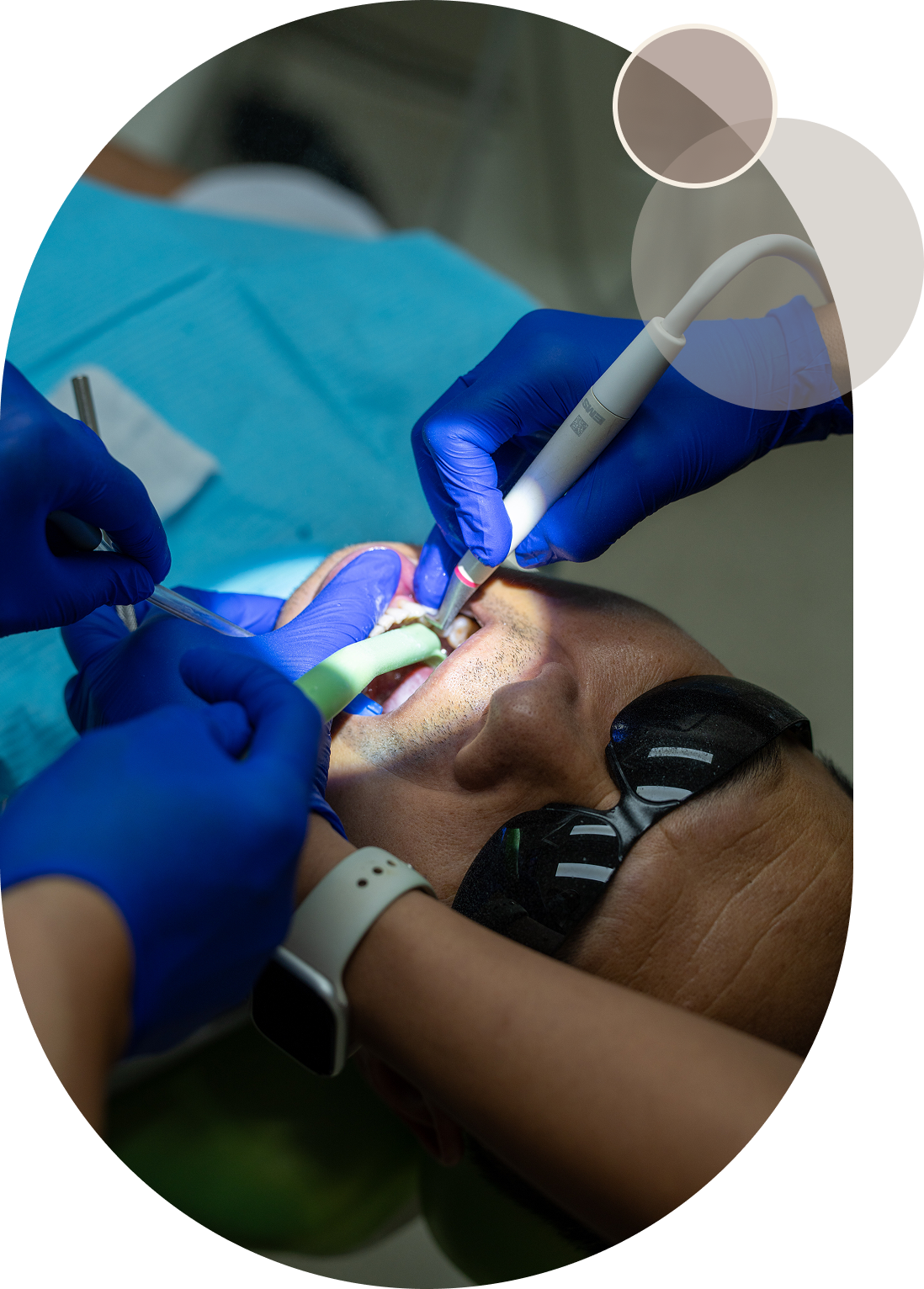
Saving your natural tooth
and relieving dental pain
Persistent tooth pain can make it difficult to eat, sleep, and concentrate. If the soft tissue inside your tooth becomes infected or inflamed, root canal therapy may be recommended to relieve discomfort, remove the infection, and preserve your natural tooth.
At CFS Dental, we understand that many people feel anxious when they hear the words “root canal treatment”. In reality, modern root canal therapy is designed to relieve pain, not cause it. Our team will explain each step of the process, answer your questions, and ensure you’re as comfortable as possible throughout your treatment.
What is root canal therapy?
Inside every tooth is a soft tissue called the pulp, which contains nerves and blood vessels. If this tissue becomes infected or damaged, it may cause tooth pain and, if left untreated, can eventually lead to an abscess.
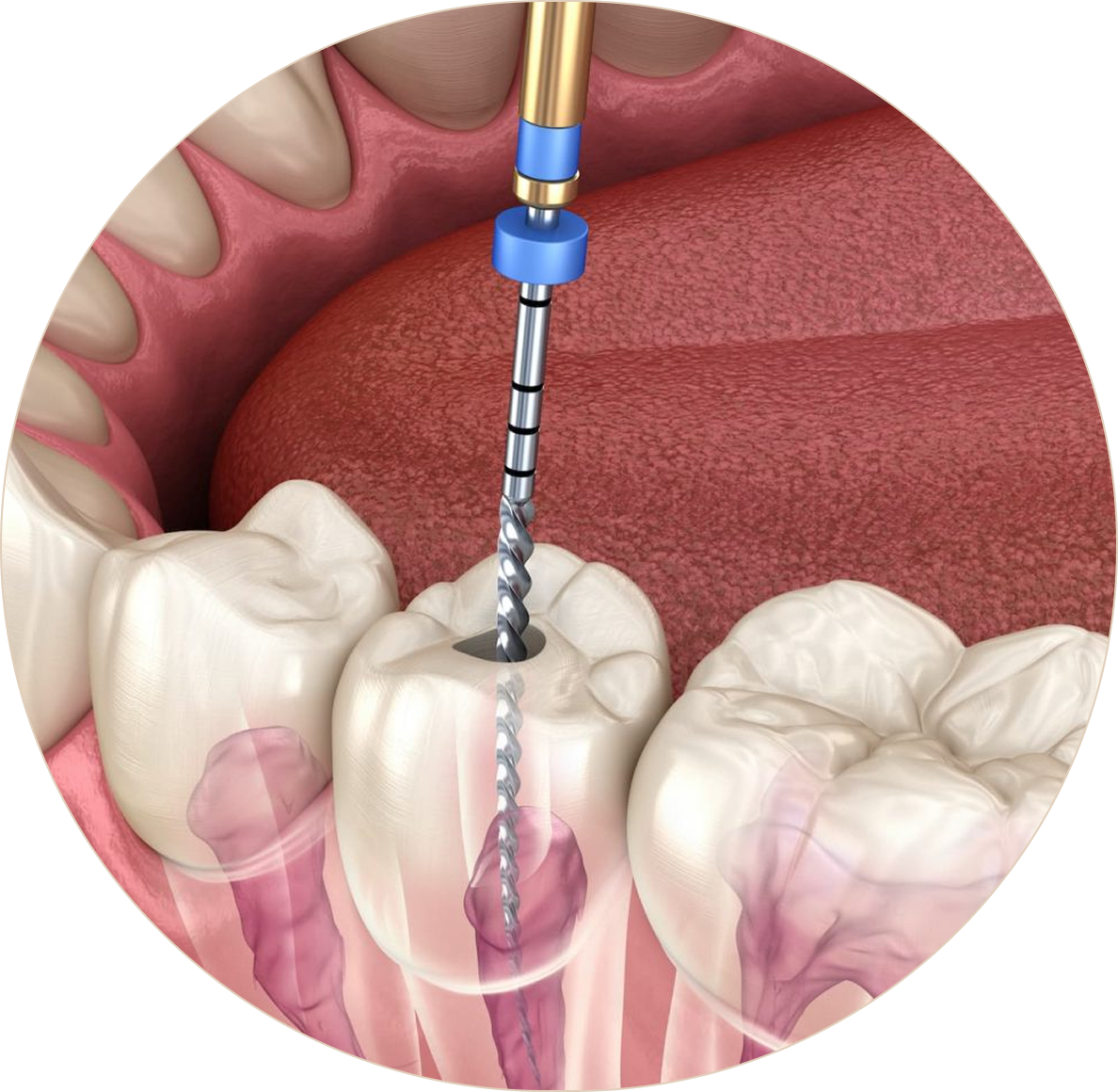
Root canal therapy removes the infected pulp from inside the tooth, thoroughly cleans and disinfects the root canals and seals them to help prevent further infection. In many cases, this allows the natural tooth to be preserved rather than extracted.
Following treatment, a dental crown is often recommended to strengthen and protect the tooth over the long term.
Signs you may need root canal therapy?
Only a comprehensive examination can determine whether root canal therapy is appropriate. However, some common signs that may indicate an infected tooth include:
- Persistent or severe tooth pain
- Pain when biting or chewing
- Sensitivity to hot or cold that lingers
- Swelling around the tooth or gums
- A pimple or blister on the gum
- Darkening or discolouration of a tooth
In some cases, an infected tooth may cause very few symptoms. Regular dental examinations can help identify concerns before they become more serious.

What happens during treatment?
Every tooth is different, so your treatment will be tailored to your individual needs. While root canal therapy is commonly completed over two or three appointments, some teeth may be treated in a single visit depending on the complexity of the infection.
Examination & Planning
Comfortable Treatment
Removing the Infection
Sealing the Tooth
Final Restoration
Examination & PlanningWe’ll assess your tooth, confirm the diagnosis, and explain the recommended treatment. Before we begin, you’ll have the opportunity to ask questions and understand each stage of your care.
Comfortable Treatment
The area will be numbed with local anaesthetic to help keep you comfortable throughout the procedure before treatment begins.
The area will be numbed with local anaesthetic to help keep you comfortable throughout the procedure before treatment begins.
Removing the Infection
The infected or inflamed pulp is carefully removed from inside the tooth. The root canals are then thoroughly cleaned and disinfected to help eliminate bacteria.
The infected or inflamed pulp is carefully removed from inside the tooth. The root canals are then thoroughly cleaned and disinfected to help eliminate bacteria.
Sealing the Tooth
Once the canals have been cleaned, they are sealed to help prevent further infection. A temporary restoration may be placed while the tooth heals.
Once the canals have been cleaned, they are sealed to help prevent further infection. A temporary restoration may be placed while the tooth heals.
Final Restoration
Where appropriate, a dental crown may be recommended to strengthen and protect the treated tooth, helping restore its function over the long term.
Where appropriate, a dental crown may be recommended to strengthen and protect the treated tooth, helping restore its function over the long term.
Why saving your natural tooth matters
Whenever possible, preserving your natural tooth is often the preferred option.
Root canal therapy may help you:

Relieve pain caused by infection

Support your natural bite

Preserve your natural tooth

Reduce the need for tooth replacement options

A single missing tooth with an implant-supported crown
Your questions, answered.
Can’t find what you’re after?
We’re always happy to talk it through.
Is root canal treatment painful?
Modern root canal therapy is designed to relieve pain caused by an infected tooth. Local anaesthetic is used to keep you comfortable during treatment and many patients find the procedure is more comfortable than they expected.
How many appointments will I need?
Will I need a crown afterwards?
Can a tooth always be saved?

Prompt care can help
protect your tooth
If you’re experiencing persistent tooth pain, swelling, or other symptoms of a possible tooth infection, it’s important to seek dental care as soon as possible. Early assessment may allow treatment before the infection becomes more severe.
Our team is here to provide clear advice, compassionate care, and personalised treatment to help restore your oral health.