



Replacing Missing Teeth with long-term solutions
Missing teeth can affect much more than your smile. They may make it more difficult to eat comfortably, speak clearly, and maintain the health of your remaining teeth.
At CFS Dental, we offer dental implants as a long-term tooth replacement option for suitable candidates.
Following a comprehensive assessment, we’ll evaluate your oral and general health, discuss your treatment goals, and determine whether dental implants are appropriate for your individual circumstances.

What are dental implants?
A dental implant is a titanium post that is surgically placed into the jawbone to replace the root of a missing tooth. As the implant heals, it gradually bonds with the surrounding bone through a process known as osseointegration. Once healing is complete, a custom-made dental crown, bridge, or other restoration is securely attached.
Because dental implants replace both the tooth and its root, they can provide a stable and natural-looking solution for replacing missing teeth.
Because dental implants replace both the tooth and its root, they can provide a stable and natural-looking solution for replacing missing teeth.
Are dental implants right for you?
Dental implants may be suitable if you have one or more missing teeth and would like a fixed replacement option.
Before recommending treatment, we’ll carry out a comprehensive assessment that may include:
Before recommending treatment, we’ll carry out a comprehensive assessment that may include:
- Reviewing your medical and dental history
- Assessing your teeth and gums
- Taking diagnostic imaging where appropriate
- Evaluating the quality and quantity of available jawbone
- Discussing your treatment goals and expectations
If there isn’t enough bone to support an implant, bone grafting may be recommended before or during treatment in suitable cases.
We’ll explain all available options so you can make an informed decision based on your individual circumstances.
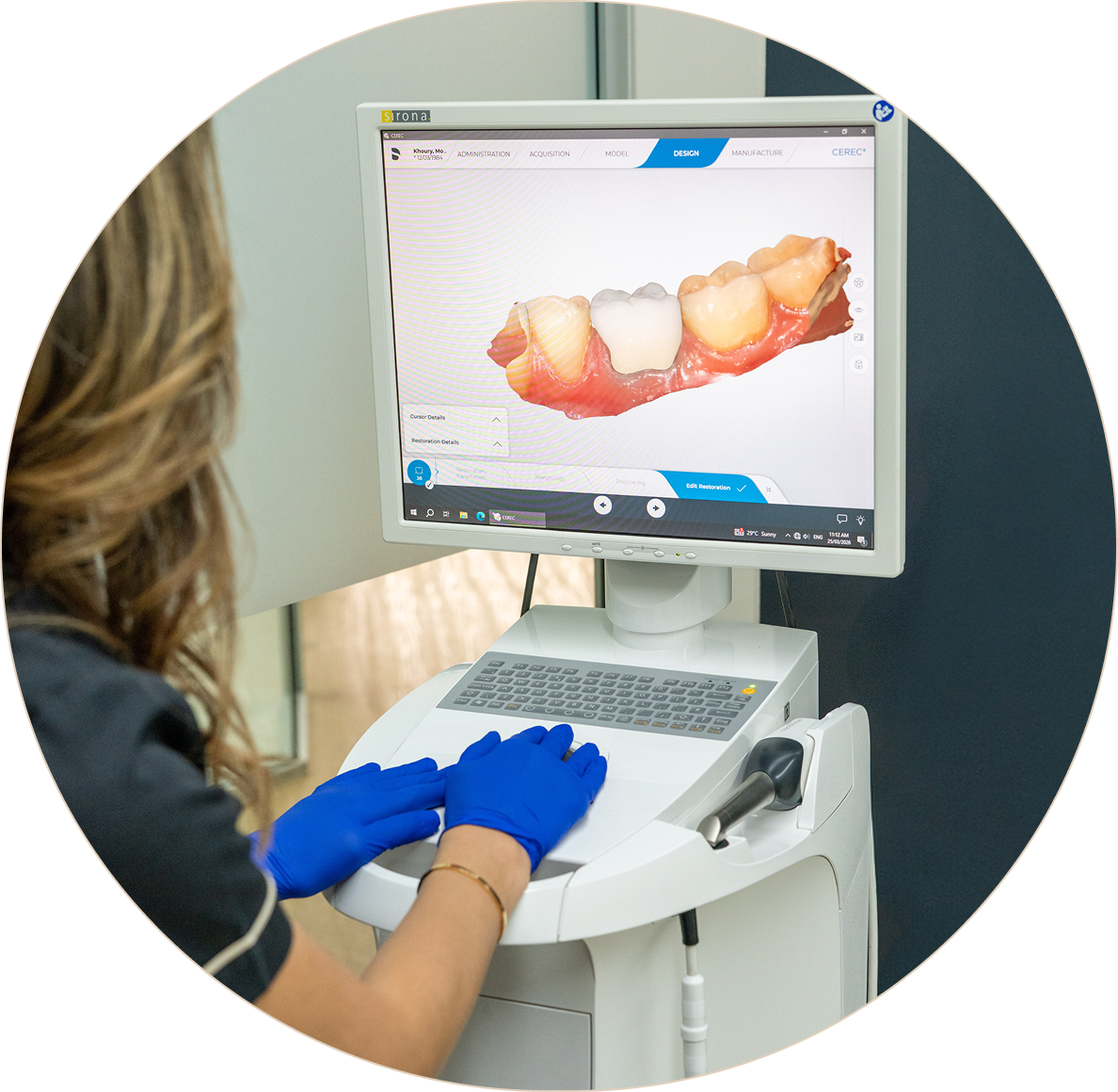
Your dental implant
treatment journey
Every treatment plan is personalised, but dental implant treatment generally follows these stages:
Consultation and Planning
Implant Placement
Healing
Final Restoration
Consultation and PlanningWe’ll assess your oral health, discuss your goals, and use detailed imaging to carefully plan your treatment.
Implant Placement
The dental implant is precisely placed into the jawbone under local anaesthetic. Medical sedation may also be arranged where appropriate to help you feel more comfortable during treatment.
The dental implant is precisely placed into the jawbone under local anaesthetic. Medical sedation may also be arranged where appropriate to help you feel more comfortable during treatment.
Final Restoration
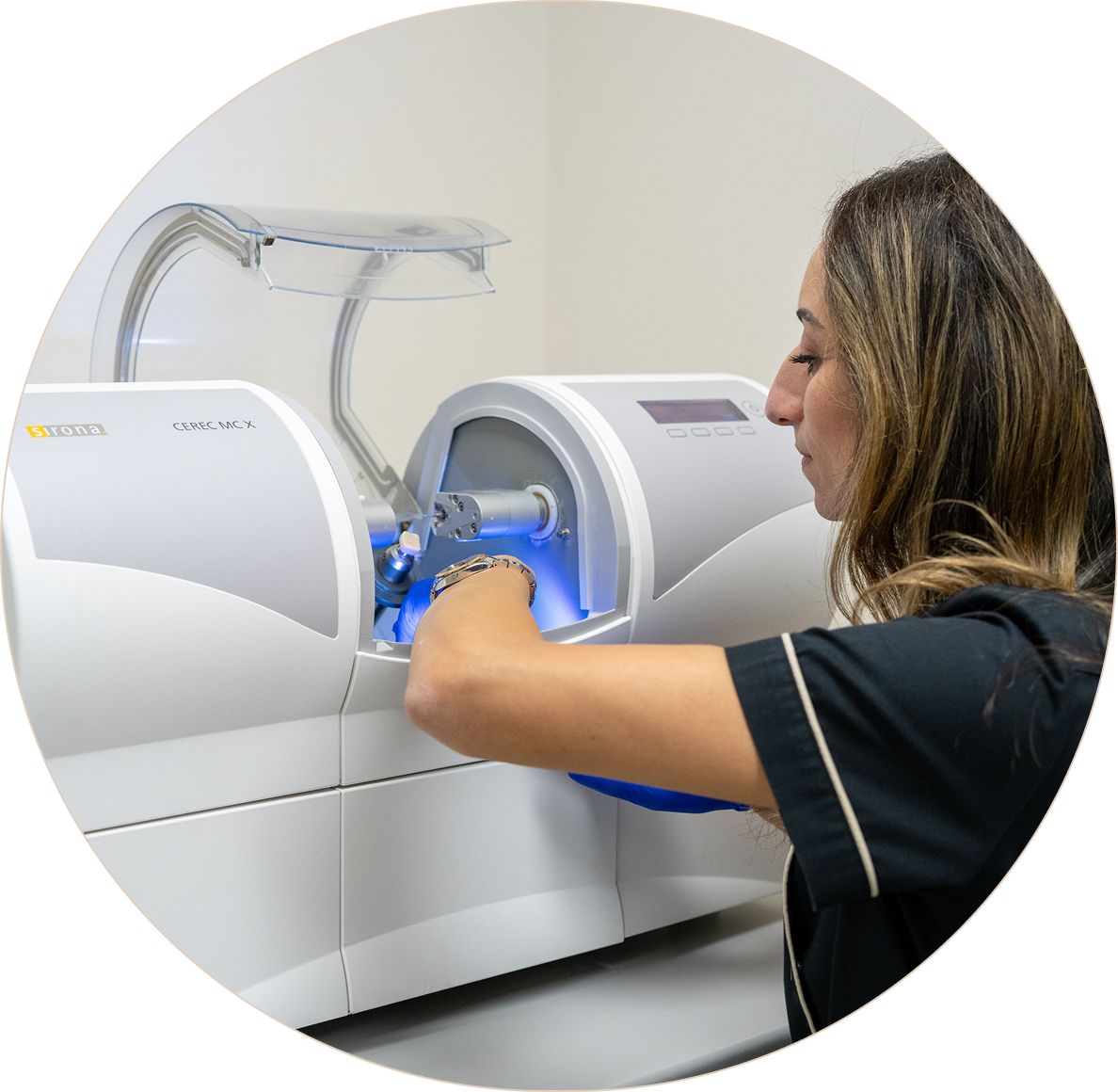
Once healing is complete, a custom-made crown, bridge or implant-supported restoration is attached, restoring the appearance and function of your smile.
Once healing is complete, a custom-made crown, bridge or implant-supported restoration is attached, restoring the appearance and function of your smile.
Leave with a plan
You’ll go home with a simple, personalised roadmap for your smile — clear priorities, clear costs, and no pressure to decide on the spot.
You’ll go home with a simple, personalised roadmap for your smile — clear priorities, clear costs, and no pressure to decide on the spot.
Dental implants options
Depending on your individual needs, dental implants may be used to replace:

A single missing tooth with an implant-supported crown

Multiple missing teeth with an implant-supported bridge

An entire arch of missing teeth with implant-supported solutions such as All-on-4® or All-on-X
Following your assessment, we’ll recommend the treatment option that’s most appropriate for your oral health, lifestyle and long-term goals.

Benefits of dental implants
Depending on your individual circumstances, dental implants may:
- Restore your ability to chew comfortably
- Help you speak with confidence
- Provide a stable, fixed tooth replacement option
- Restore the appearance of your smile
- Help preserve neighbouring teeth where appropriate
- Support long-term oral function
We’ll only recommend dental implants if they’re an appropriate treatment option for your individual circumstances.
Caring for your dental implants
Looking after dental implants is similar to caring for your natural teeth.
We’ll provide personalised advice, but ongoing care generally includes:
We’ll provide personalised advice, but ongoing care generally includes:
- Brushing twice a day
- Cleaning between your teeth daily
- Attending regular dental examinations and professional cleans
- Following your personalised maintenance schedule
Good oral hygiene and regular dental care play an important role in maintaining the long-term health of your implants.
Your questions, answered.
Can’t find what you’re after?
We’re always happy to talk it through.
Am I a suitable candidate for dental implants?
Many people are suitable candidates for dental implants. Following a comprehensive assessment, we’ll evaluate your oral and general health, jawbone, and treatment goals before recommending whether dental implants are appropriate for you.
In some cases, additional procedures such as bone grafting may be recommended before implant placement.
In some cases, additional procedures such as bone grafting may be recommended before implant placement.
Do dental implants hurt?
How long does treatment take?
How long do dental implants last?

Restoring your smile with
personalised care
If you’re considering dental implants, our team is here to help you understand your options. We’ll assess your oral and general health, discuss your treatment goals, and explain whether dental implants are the most appropriate tooth replacement option for your individual circumstances.
Every treatment plan is tailored to your needs, whether you’re replacing a single missing tooth or multiple teeth.
Every treatment plan is tailored to your needs, whether you’re replacing a single missing tooth or multiple teeth.